

Bird Collisions Stop Here | Feather Friendly®
Why Birds Hit Windows
Birds often cannot recognize glass as a solid surface. Instead, they see reflections of trees, sky, clouds, or other habitat and attempt to fly through them. At night, artificial lighting can attract and disorient migrating birds, increasing the risk of collisions. Want to learn more? Visit the American Bird Conservancy page "Windows: The Invisible Killer".Window collisions are one of the leading human-caused threats to birds in North America. The good news is that simple actions can dramatically reduce the risk.Why It Matters in Grand Rapids
Grand Rapids lies along an important migration route used by millions of birds each spring and fall. Reflective glass and unnecessary nighttime lighting can turn otherwise safe habitat into dangerous obstacles.By making homes, businesses, schools, and community buildings more bird-friendly, we can help protect birds throughout West Michigan and the Great Lakes region.What You
Can Do
Found an injured bird?
Place the bird in a ventilated box and keep it in a quiet, dark location away from people and pets. Do not offer food or water. Contact a licensed wildlife rehabilitator for assistance.
Bird-window collisions are preventable. Whether you live in an apartment, own a home, manage a business, or work at a school, a few simple changes can make buildings safer for birds and help protect the millions of birds that travel through (and live in!) Michigan each year.
Here are some of the frequently asked questions about birds and glass, curated by the American Bird Conservancy.
-
![]()
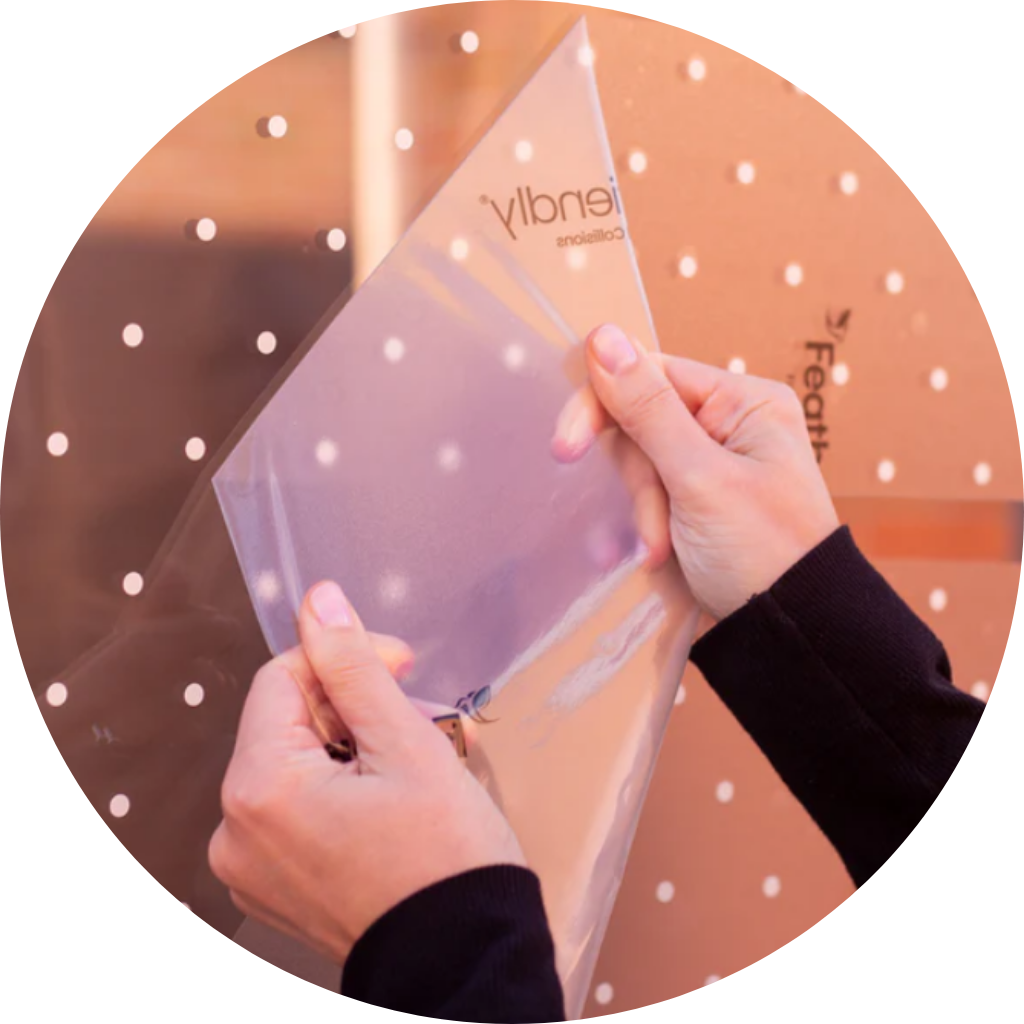
Make windows more visible using bird-safe decals, tape, screens, or window film.
-
![]()
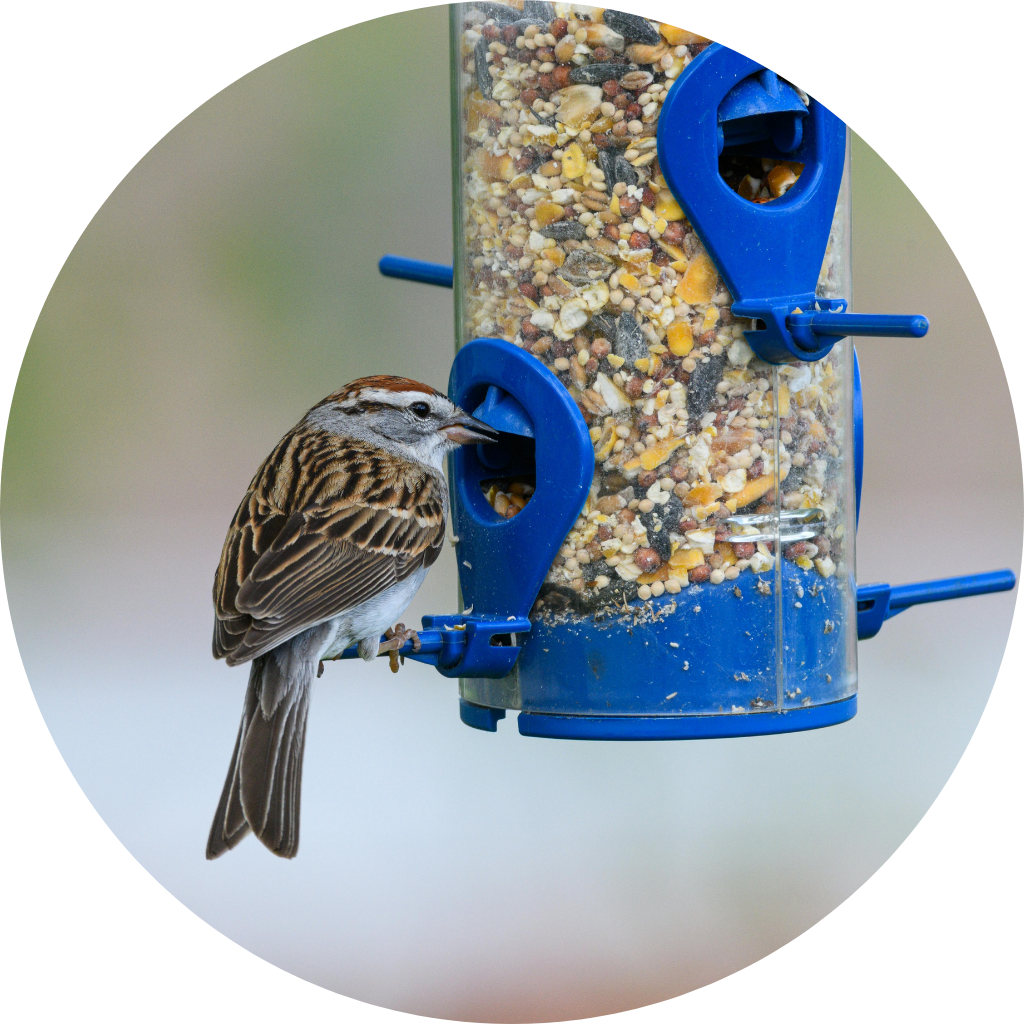
Place bird feeders safely
-
![]()
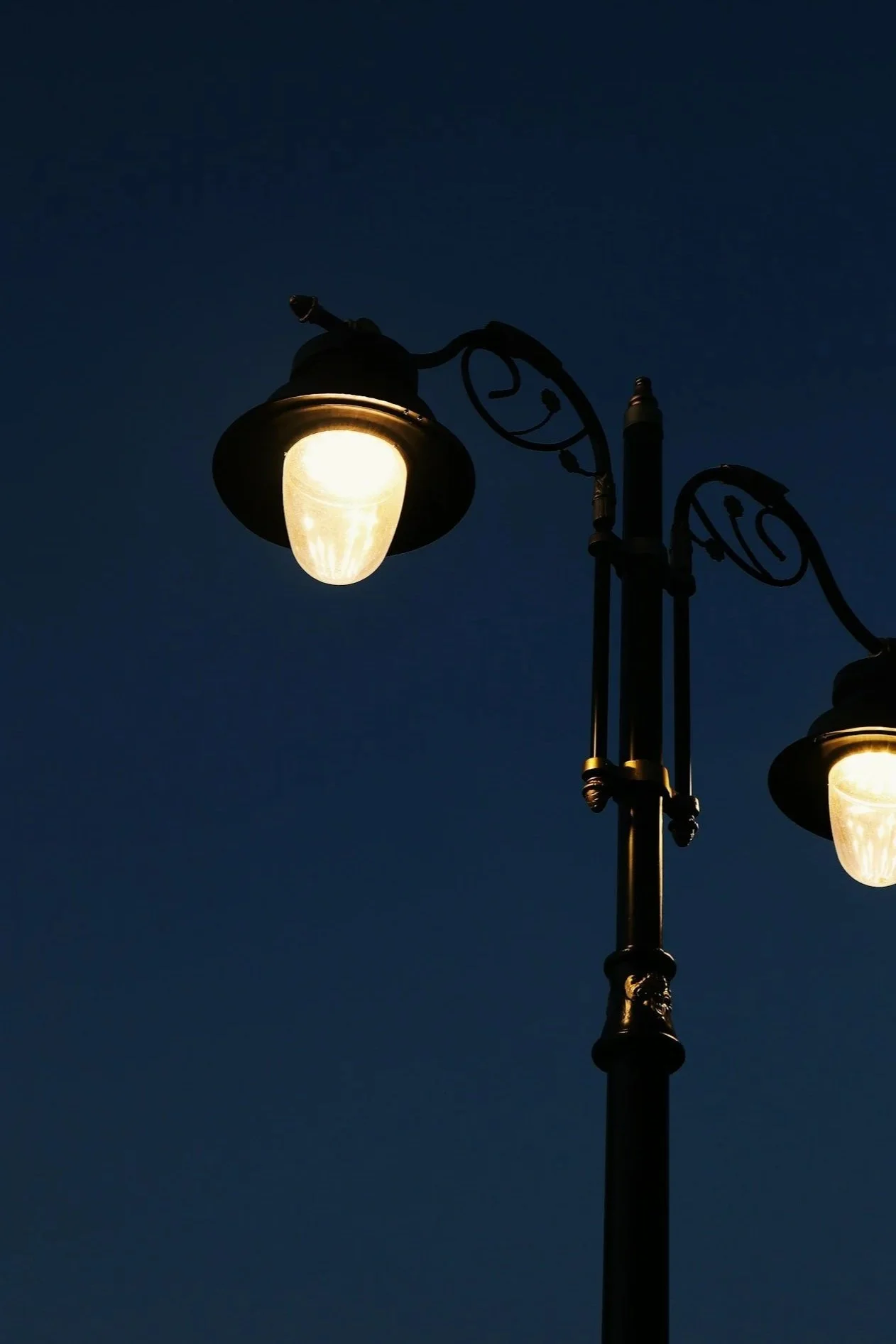
Reduce nighttime lighting by turning off unnecessary outdoor lights and closing blinds after dark.
-
![]()
Support bird-friendly communities by encouraging bird-safe design in homes, schools, businesses, and community spaces.
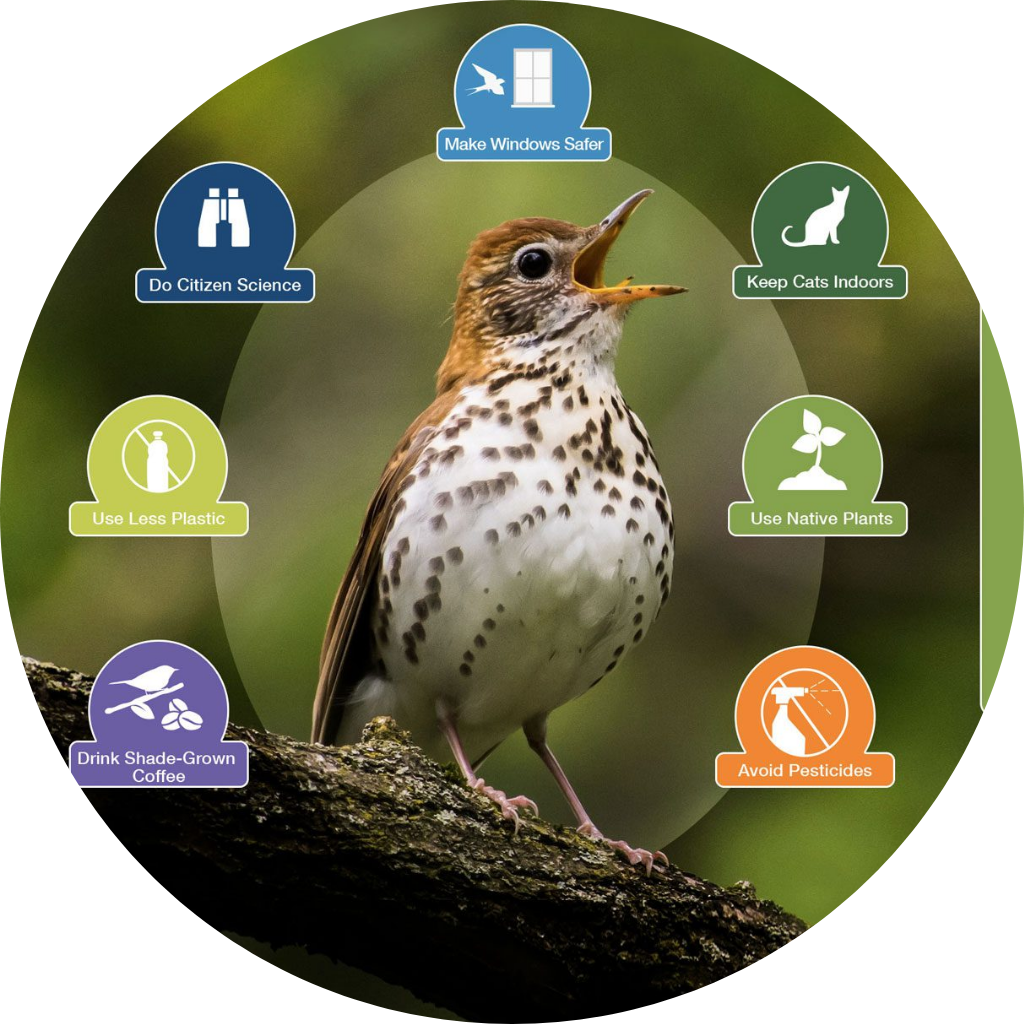
From Smithsonian's National Zoo & Conservation Biology Institute's "7 Simple Actions to Live Bird Friendly®" > Action 1. Turn lights out and treat windows to keep birds safe!
The challenge: Up to 1 billion birds are estimated to die each year after flying into closed windows in the U.S. and Canada alone.

The cause: During the day, birds perceive the reflections in glass as habitat they can fly into. By night, migratory birds drawn in by city lights are at high risk of colliding with buildings.
Help birds with the flick of a switch: To prevent collisions, use external insect screens. These screens virtually eliminate reflections and cushion birds' impact. At night, turn out your lights or close the blinds.Take it further: If you can't use screens, you can break up reflections on the outside of windows using film, paint, bird saving stick-on stripes or string spaced no more than 2-inches high or 2-inches wide.Get started today: Make windows beautifully bird-friendly by applying tempera paint (available at most art supply and craft stores) to your windows. You can do this freehand with a brush or sponge, or use a stencil as a template. Tempera is long-lasting (even in rain) and nontoxic, but it comes right off with a damp rag or sponge.Spread the word: Share how you #LiveBirdFriendly by showing off your bird-friendly window treatments.7 Simple Actions to Live Bird Friendly®
Birds are in trouble, but you can help them. Live bird friendly by starting with these seven ways to make your home and lifestyle better for birds and the planet.